by Qibing Zhang
Introduction
The screenwriter is the foundation of any production—the unsung hero behind the scenes. To become one, all it seems to take is a pen and paper, or perhaps a laptopwith scriptwriting software. But the path from writing to seeing a story come alive onscreen is filled with challenges that few outsiders ever see.
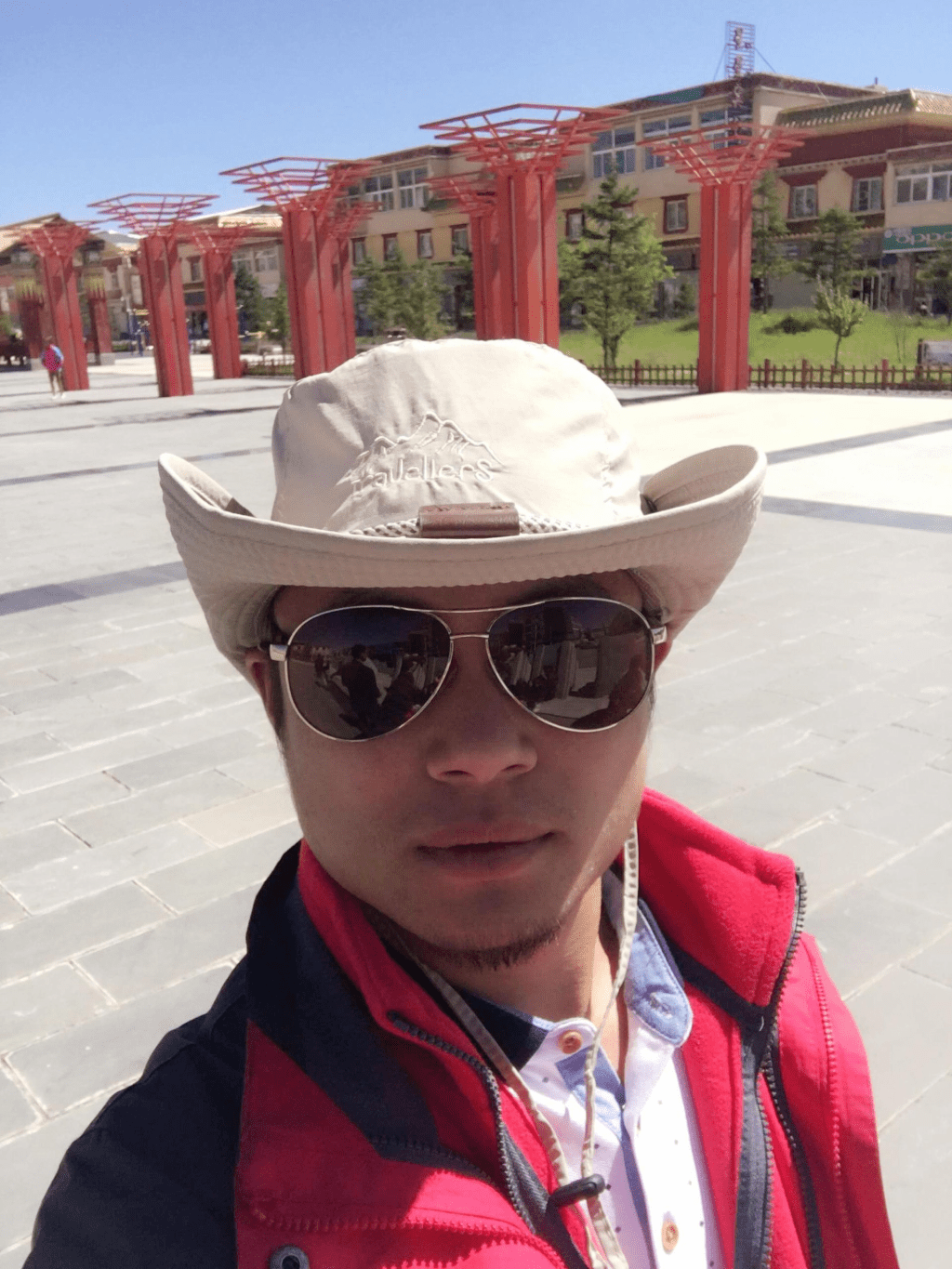
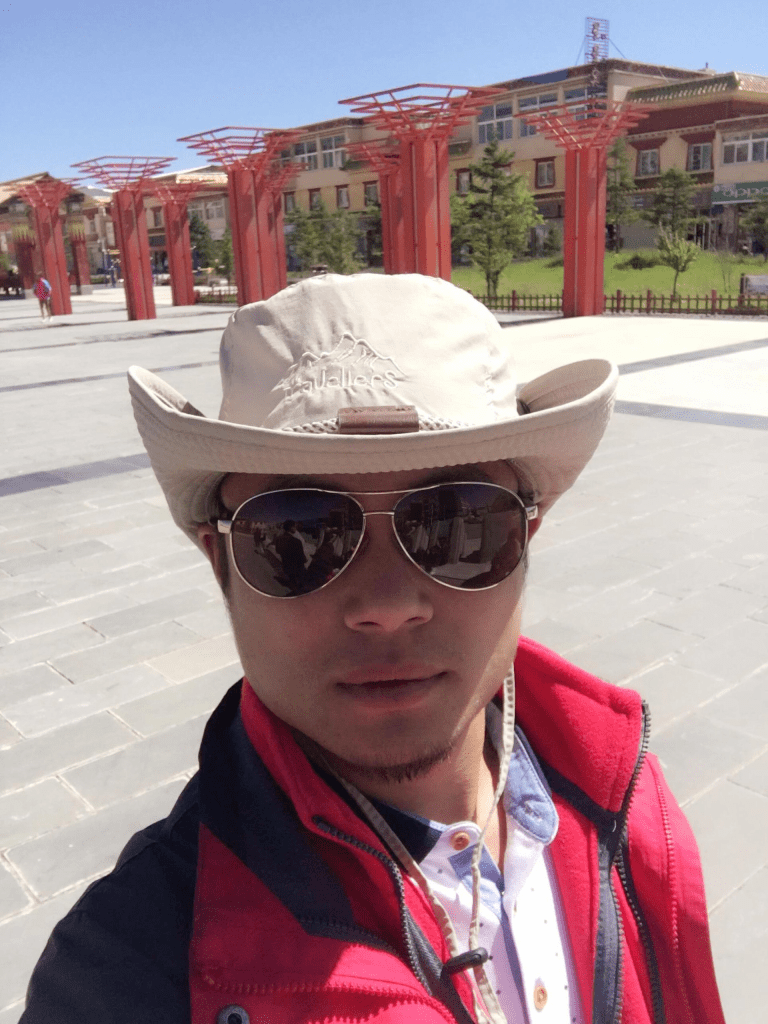
In this interview, we sit down with animation screenwriter Liu Zehong, who has over a decade of professional experience. Having transitioned from animator to screenwriter, Liu has worked on numerous animation projects. Our conversation touches on his personal growth, the current state of the industry, collaboration in production, and advice for aspiring writers. We hope his insights offer useful guidance for readers who dream of stepping into the world of screenwriting.
I. Career Experience and Personal Growth
Q1: Could you briefly introduce your journey as a screenwriter?
Liu Zehong: I entered the industry in 2012, starting out as an animator, mainly responsible for 3D animation and motion adjustments. I had studied animation design in college, and after graduation, I randomly picked a city—Suzhou—on a map at an internet café, and found a job there at an animation studio as an animator. At that time, the company’s screenwriting capacity was limited, which meant the animators often had little to do. Later, when one of the writers left, the studio needed someone to fill the role. I volunteered to give it a try. Since I had already written scripts for my graduation project back in school, I had some foundation. They asked me to write a sample episode. After reviewing it, the company felt it worked, and I officially transitioned into screenwriting. My earliest projects were episodic animations, similar to Boonie Bears. Gradually, I started working on different kinds of projects. These days, most of my work is commissioned writing, though I occasionally get involved in developing original projects.
Q2: Over the course of your career, which project has contributed the most to your growth, and why?
Liu Zehong: That would be the 2023 project Overlord Xiang Yu (translation). It’s a historical animation series, which required extensive research into historical sources and character building. Since Xiang Yu lived more than two thousand years ago, there’s no way to verify details firsthand.
What kind of food did people eat back then? What clothes did they wear? What did houses look like? How were villages and cities built? All of these details had to be thoroughly researched.
At the same time, Xiang Yu is one of the most renowned military figures in Chinese history. Writing his story meant that warfare had to play a central role. Historical records tell us where battles happened, how many soldiers were involved, and who eventually won.
But many crucial details are missing. How did he recruit his men? How did he manage to win battles where he was outnumbered? Why did he choose to attack a certain city? Were there betrayals among his ranks? These are blank spaces in history, which we had to fill in with reasonable interpretation.
The challenge was to create fictional elements while remaining faithful to the spirit of history—while also considering battle strategies, character motivations, and timeline consistency. It was extremely demanding, but this project allowed me to consolidate all the skills and experience I had accumulated over the years. I grew tremendously from it.
Q3: Do you ever experience moments when you just can’t keep writing? How do you handle that?
Liu Zehong: Definitely. When that happens, I usually go back and reread the earlier sections and the outline. Most of the time, the reason you get stuck is that something went off track earlier on, and the logic doesn’t hold together anymore.
It’s like when you head out to buy a bottle of water, but on the way you bump into a friend and chat for a while—suddenly you forget what you were supposed to be doing. That’s what happens in writing, too. So I make it a habit to constantly revisit the main storyline and make sure the logic stays clear.
II. Industry Landscape and Challenges
Q4: If a screenwriter wants to work on their own original project, how would you suggest they go about it step by step?
Liu Zehong: I’d recommend making your own short film—not the vertical “bite-sized” dramas you see trending on TikTok, but an actual short film. Once outside investors get involved, you inevitably lose some creative control, and the project stops being fully yours. Shooting your own short film might be tough, but it allows you to fully express your ideas. And if the short is good, people will naturally come to you with collaboration offers.
For both writers and directors, the key is to make sure your work gets seen. A ten-minute film has a much stronger impact than a ten-minute script on paper. In today’s world, audiences don’t have the patience to wade through long blocks of text—even reading a novel feels like too much for many. But if you show them a finished short film, it immediately communicates your vision and quality. That visibility signals to others that you have the ability to create, and that’s when opportunities start coming your way.
Q5: Compared to ten years ago, how has the demand for screenwriters in the film and television industry changed?
Liu Zehong: Honestly, not much has changed in essence. The industry still values quality, and a good story will always find its place. Recently, we’ve seen the rise of vertical short dramas, but those belong to a completely different track. Their standards of execution and modes of operation are not the same as traditional film and television, so they really shouldn’t be lumped together.
Q6: In the industry, do projects often get halted halfway or shelved indefinitely?
Liu Zehong: Very often. Most projects fail because they lack commercial appeal, the funding falls through, or the team disbands. As a screenwriter, there’s not much you can do in those cases. The main thing is to protect your upfront payment and never hand over a full script without a proper contract in place.
Q7: What does the typical payment process look like for screenwriters in China?
Liu Zehong: There’s no single standard—payment structures vary widely. One common model is the “3-3-4”: 30% at the outline stage, 30% upon delivery of the first draft, and the final 40% before production begins. But there are also deals where writers get paid per episode, or where the entire project fee is bundled together. It all depends on negotiation.
Delays in receiving the final payment are very common, especially when producers claim the script “doesn’t meet quality expectations.” The problem is that script quality is highly subjective, which makes it hard to defend yourself legally. My advice is to work only with trustworthy partners whenever possible, and to clearly specify in the contract how many revisions are included and when each payment should be made.
III. Cross-Disciplinary Collaboration and Practical Experience
Q8: From the first draft to the final production, which professionals does a screenwriter usually work with? And how much influence does a writer actually have?
Liu Zehong: The main collaborators are directors, producers, and investors. But honestly, a screenwriter has very little influence. We’re basically paid to deliver the script, without decision-making power or profit-sharing. Scripts are often heavily revised, and sometimes other writers are brought in during production to make changes. Still, the original screenwriter usually keeps the credit. In terms of both creative authority and pay, the position of screenwriters hasn’t really improved much over the years.
Q9: What’s the most common misconception other professionals have about screenwriters?
Liu Zehong: The biggest one is: “If the film is bad, blame the writer.” In reality, the success or failure of a production involves many departments—directing, cinematography, editing, props, and more. Take those over-the-top war dramas, for example, where you suddenly see a Gatling gun in the middle of an anti-Japanese story, or characters with slick, shiny hairstyles.(Gatling and hairstyles are not historically accurate) Those choices aren’t written into the script at all—they don’t serve the story or character. They’re usually decisions made not by the writers.
IV. Advice for Aspiring Writers
Q10: For students who want to become screenwriters, what paths would you suggest they take to enter the industry?
Liu Zehong: The fastest way is to have someone bring you in, or to get an internship. Working in-house allows you to directly engage with projects and build experience. You can also attend industry events or training programs, though you need to be cautious about their quality.
Those with a formal education in the field have a certain advantage—their schools, professors, and classmates become an invisible network of resources. For those without that background, the road tends to be rougher.
Q11: What’s the most common “fatal mistake” you see among new screenwriters?
Liu Zehong: Overconfidence. Many beginners think their creativity is invincible and refuse to listen to feedback. They often write grand, high-budget scenes without considering whether they’re actually producible. On top of that, many rush into writing large, complex stories when they haven’t even mastered short, simple ones. The result is usually a mess. You need to first learn how to control pacing and costs—start with smaller stories before moving on to bigger ones.
Q12: What type of projects would you recommend beginners try first to gain experience?
Liu Zehong: Honestly, as a newcomer, you don’t get to choose much. You should take whatever opportunities come your way—every project can be a learning experience.
But if I had to recommend, I’d say web series or short films. A web series(online series) has a structure similar to a film but in a shorter format, making it good practice.
And by practice, I don’t mean selling the script—I mean simply finishing it. Writing, finishing, and rewriting scripts is already excellent training.
Short films are another great option because you can control the whole process and fully express your ideas. Some writers also work in advertising copywriting—that’s a different path altogether, with its own pacing and structure. It really depends on your interests.
Q13: Do screenwriters need “connections”? How can students start building industry resources during their school years?
Yes. However, there is no fixed path to building a network. The main ways are to participate in industry events, internships, and training programs, and to engage with professionals in the field. It’s important to maintain an open mind, not be afraid to put yourself out there—don’t worry about pride—and take the initiative to communicate.
Q14: Finally, do you have any general advice for newcomers? Watch more, write more. No matter what ideas you have, be sure to write them down and bring them to life. Screenwriting is a profession where you improve through practice—thinking without writing is useless. Maintain a mindset of continuous learning, accept criticism, and keep refining your work.
Conclusion
Through the conversation with animation screenwriter Liu Zehong, we gained insight into the realities of China’s screenwriting industry. For aspiring screenwriters, it’s essential to boldly experiment, build connections, and accumulate experience. As for the industry, the value of screenwriters still needs to be seen and respected. Perhaps the situation will improve in the future, but that requires effort from all sides, especially from the new generation. Thanks for his sharing, and may everyone whocarries a screenwriting dream have a bright future.



 ScreenWorks
Leave a comment